8-year-old behavior problems: attitude, anger, and what helps
8 year old behavior problems: attitude, rage, friendship hurts and screen fights. What's normal at eight, what to say, and when to talk to your pediatrician.
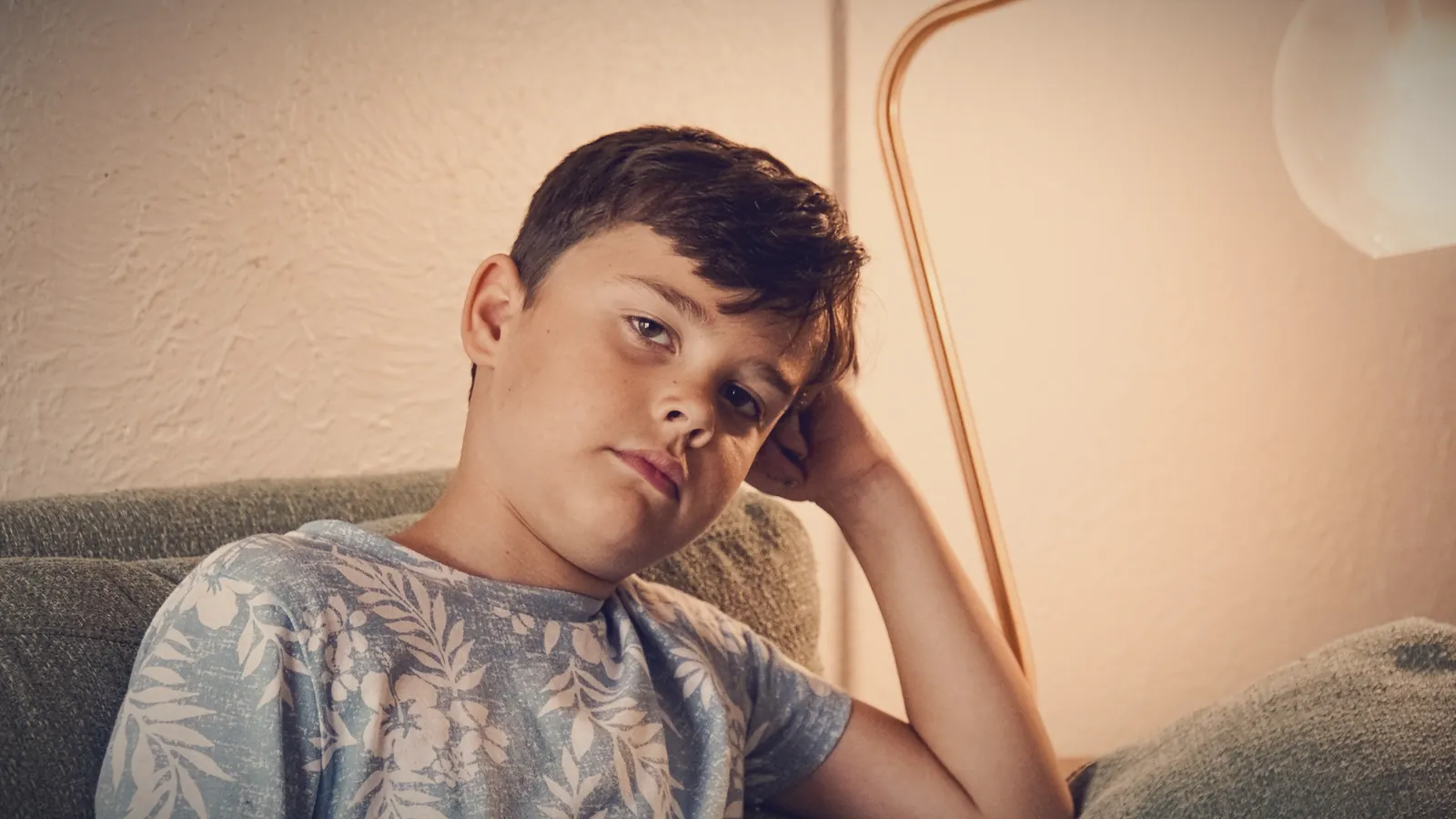
Your eight-year-old used to tell you everything. Now you get eye-rolls, "that's not fair", a slammed door when the game has to end, and tears because a friend sat with someone else at lunch. Ten minutes later, they want a cuddle.
If you've been searching "8 year old behavior problems", you're past toddler tantrums. You're dealing with attitude, easily hurt feelings, and a child who can now out-argue you. Here's what's typical at eight, the exact words for the hardest moments, and the signs worth raising with your pediatrician.
What is normal behavior for an 8 year old?
Eight is a thinking year. The American Academy of Pediatrics' 8-year checkup page says your child is likely starting to use logic and reason in new ways each day, and that their peer group is becoming more and more important. They may also want more screen time to play games, alone or with friends.
Much of what wears you out is typical:
- Arguing every point. New reasoning skills get tested on you first.
- Fairness, all day long. Who got more, who went first, why the rule changed.
- Eye-rolls and sighs. Often a clumsy way of saying "I disagree" or "I'm embarrassed".
- Thin skin. A small correction can land like a verdict on who they are.
- Friendship ups and downs. Best friends on Monday, not speaking by Thursday.
What isn't typical is behavior that is dangerous, happens most days, or keeps getting worse over several weeks.
Why 8 year old behavior problems can feel harder than before
- Rules get cross-examined. "Because I said so" stops working once a child can spot the holes in it.
- Friends carry real weight. A hurt from recess often comes out at your kitchen table hours later.
- School steps up. The same AAP page notes that schoolwork and activities may start to get more intense.
Attitude and eye-rolling: 8 year old behavior issues at home
The sharpest attitude often comes out at home, because home feels safe enough to push. Let an eye-roll go if they're doing what you asked. Respond to real rudeness, briefly:
- Say: "Try that again in the voice you'd use with your coach."
- Say: "You think it's unfair. Give me your best reason, and I'll actually listen."
- Say: "I'm not deciding this while we're both annoyed. Ask me again after dinner."
When they make a good case calmly, let it win sometimes: respectful arguing should work better than sulking. More in kids talking back.
Very sensitive to criticism and embarrassment
Some eight-year-olds hear "your shirt's on backwards" as "you're hopeless". They cry, storm off or snap back. Underneath is usually embarrassment, and it stings more with an audience.
The Child Mind Institute suggests trying five positive comments for every critical one, and waiting until the hurt or anger has settled before going back to the problem.
- Say: (quietly, away from siblings) "Can I point out one thing? Just one."
- Say: "A mistake on the page isn't a mistake in you."
- Say: "That was embarrassing. It usually feels smaller by tomorrow."
Friendships, being left out and peer comparisons
At eight, who you sit with at lunch can feel like everything. When your child comes home hurt, listen before you fix.
- Say: "That sounds really lonely. Do you want ideas, or do you just want me to listen?"
- Say: (to "Everyone else has one!") "Other families make their own rules. Tell me why it matters so much to you."
If your child is the one leaving others out, stay curious rather than shocked. Say: "How do you think it felt to hear she couldn't play?" Then plan one kind move for tomorrow. The replay the scene game lets you act out small playground moments with the roles swapped.
Screen time and gaming fights
Most screen fights start when the game has to end. Plan that moment together, when nobody is playing: agree on times, write them down, and decide calmly what happens if stopping ends in a fight.
- Say: "Ten minutes. Find a place where you can save."
- Say: "Stopping is hard when your friends are still on. Let's make a plan with you, not for you."
8 year old rage and anger issues: during and after
Parents often describe 8 year old rage as zero to a hundred: shouting, a kicked door, "I hate this family". At eight, the explosion is often followed by shame. For what sits underneath frequent 8 year old anger issues, see why is my child so angry.
During: safety first, very few words. Don't try to win the argument or demand an apology yet.
- Say: "I'm going to stop talking so you can cool off. I'll be right outside the door."
- Say: (if a sibling is nearby) "Let's give your brother some room. Come and find me when you're ready."
After, once everyone is calm:
- Say: "You're not a bad kid. You had a really hard moment, and we can fix what got broken."
- Say: "What was happening right before it got so big?"
- Say: "Next time, what would help most: a warning sign, a place to go, or a word you can say?"
Repairs teach more than big punishments: fixing what broke, helping clean up, a real apology later. Our guide on how to discipline a child has the calm toolbox. If 8 year old behavior feels out of control most days, try the 7-day plan.
Sudden 8 year old behavior changes: what may sit behind them
Your cheerful child turns irritable, stops mentioning a best friend, or feels sick on school mornings. Common causes:
- School: work that has quietly become too hard.
- Friends: a falling-out, a new group, being left out.
- Worries: a move, a family change, news they overheard.
- Bullying: in person or online.
- Sleep: late nights, devices in the bedroom.
The AAP's possible signs of bullying include a sudden loss of friends, hating or avoiding school, lower grades and trouble sleeping. It notes these signs can have other causes too, and that a child may not be ready to share because they feel embarrassed or ashamed. So ask gently, side by side, more than once:
- Say: "Mornings seem harder lately. Is something about school feeling different?"
- Say: "Is anyone making things hard for you, at school or online?"
- Say: "You won't be in trouble for telling me. We'll work out what to do together."
8 year old boy behavior vs 8 year old girl behavior
The honest answer: there's no reliable rule for how boys or girls behave at eight. Stereotypes can even get in the way, when a boy's sadness is read as attitude or a girl's anger is brushed off as drama.
What parents are usually asking:
- "Is this much rough play normal?" Often, yes. The line is whether anyone gets hurt and whether they can stop when asked.
- "Is this friendship meanness normal?" Fallouts and "you can't play with us" happen in many groups of kids. Coach kindness, and step in if one child is always the target.
Compare your child with their own usual self, not with a sibling or the neighbors' kids.
8 year old behavior through the year
Just turned 8
The jump from seven can feel sudden: more debating, more "that's not fair". If last year's struggles are still around, see our guide to 7 year old behavior problems. Keep rules few and explain the reason once: at eight, a reason helps.
In third grade
School often gets harder now, with more homework. Watch for homework frustration turning into rudeness. Break work into short chunks and praise the effort, not the grade.
Nearly 9
Expect more privacy, more weight on what friends think, and more requests for screens. Offer small, real freedoms in exchange for showing responsibility: something to work toward instead of something to fight for. What often comes next is in 9 year old behavior problems.
Over the next few weeks
- A standing one-on-one date. Twenty minutes a week, their choice, phones away.
- Real jobs at home. The AAP notes that responsibilities at home can help an 8-year-old develop a sense of personal competence.
- Notice the good, specifically. "You logged off on time without a fuss. Thank you."
What to avoid
- Correcting or teasing them in front of siblings or friends.
- Answering sarcasm with sarcasm.
- "Your sister never does that."
- Huge punishments decided in the middle of a rage.
- Labels like "drama queen", "boys will be boys" or "you're so rude".
When to talk to your pediatrician
Talk to your pediatrician or family doctor if:
- someone gets hurt, or your child often breaks things or hurts themselves;
- rages happen most days, or get longer or more intense over several weeks;
- a sudden change lasts more than a couple of weeks: avoiding school, losing friends, poor sleep, slipping grades;
- your child seems sad, worried or irritable most of the time, or says things like "I hate myself";
- teachers raise ongoing concerns about learning, attention or behavior.
The AAP's checkup page says that if your child struggles in any areas, your pediatrician can help determine the cause and identify supports. None of these signs is a diagnosis: a doctor can check whether something else is going on. If your child talks about hurting themselves, or anyone is in danger, get help right away through your local emergency number.
Practice the hard stuff at the dinner table
Kids practice disagreeing and talking about friends best when nothing is at stake. Dinner comes back every day, and it's a good moment for small, specific questions like the ones in family news.
Kalmdix can host that by voice: you put a phone on the table, tap Start, and it gives each person a turn by name. In Educate, you choose one habit, such as disagreeing respectfully, and Kalmdix turns it into a playful mission over five meals, without ever saying who did or didn't do it. You can also set a private goal for yourself, like praising effort, which it never mentions at the table. After the meal, kids earn points for their good moments. It isn't therapy and doesn't replace you: it gives your family a daily, low-stakes moment to practice.
Frequently asked questions
What is normal behavior for an 8 year old?
Arguing with new logic, a strong sense of fairness, eye-rolls, sensitivity to criticism, friendship ups and downs and wanting more screen time are all common at eight. Friends matter more and more, and reasoning skills grow quickly. Behavior that is dangerous, happens most days or keeps getting worse over weeks is worth raising with your pediatrician.
Why does my 8 year old have so much attitude?
At eight, children can reason and argue much better than before, they want more say, and they're quick to feel embarrassed. Home is also where they feel safe enough to push. Let small eye-rolls go, ask for a redo when the tone is rude, and really listen when they make their case calmly.
How do I handle my 8 year old's rage?
During the outburst, focus on safety, use very few words and give some space while staying close. Once everyone is calm, tell them they're not a bad kid, work out what set it off, and agree on a plan and a repair. If rages happen most days or get worse over several weeks, talk to your pediatrician.
What causes sudden behavior changes in an 8 year old?
Common causes include schoolwork that has become too hard, a friendship falling apart, a worry at home, bullying, or poor sleep. Ask gently and more than once, side by side rather than face to face, and tell them they won't be in trouble for telling you. If the change lasts more than a couple of weeks or affects school, sleep or friendships, check in with your pediatrician.
Bring Kalmdix to your next family dinner
Put your phone on the table and tap Start: Kalmdix hosts the conversation, gives everyone a turn and keeps it fun. Plans from €9.99 a month, cancel anytime.
About the author
The Kalmdix team — Kalmdix. The people behind Kalmdix, the AI voice companion that sparks conversations and teaches good manners through play at the family dinner table.