I yell at my kids too much: how to stop, and how to repair
I yell at my kids too much: what to do in the 10 seconds before you snap, a simple repair script for after, and a 7-day log to spot your triggers.
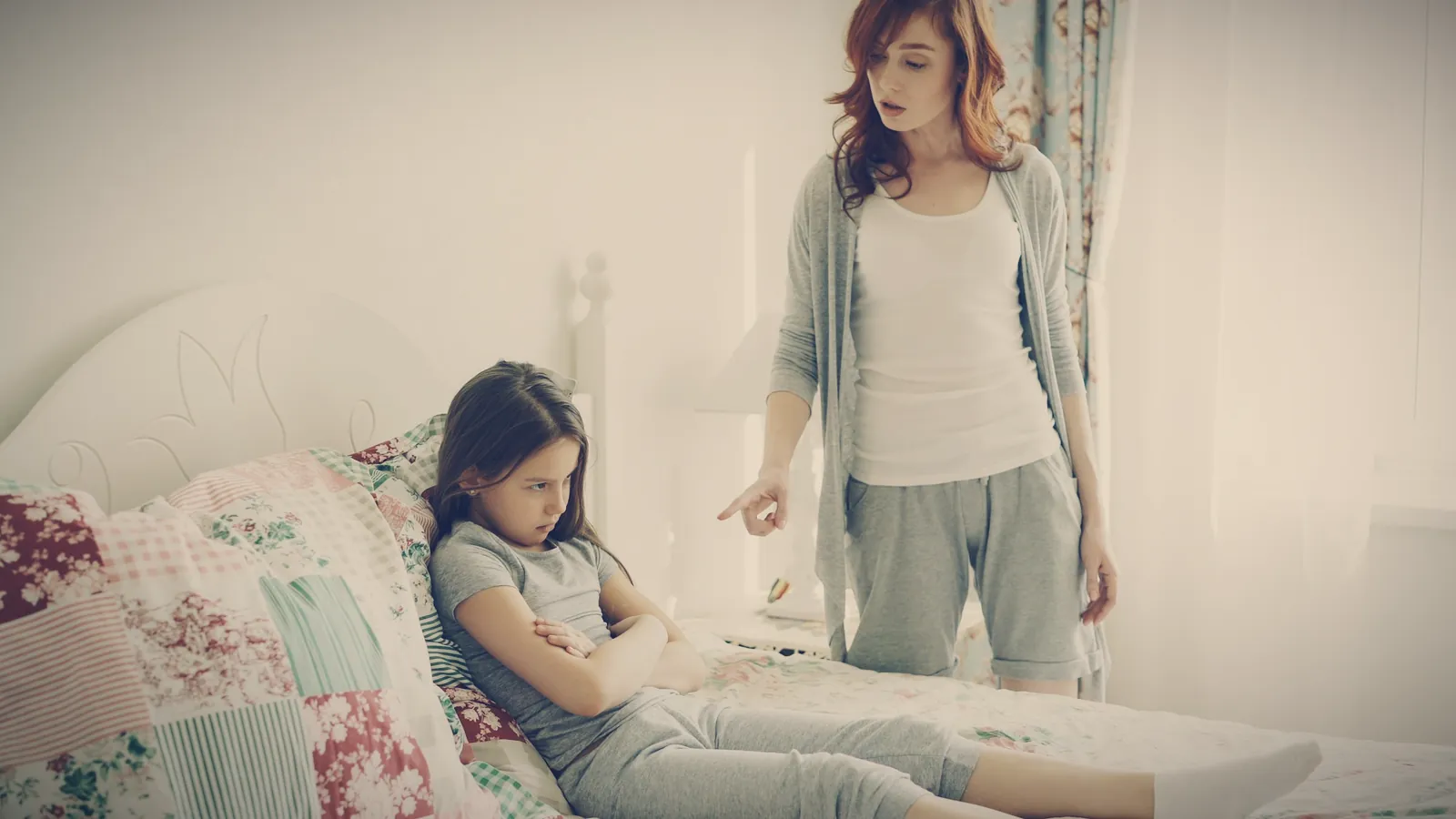
It's 9 p.m., the kids are finally asleep, and the replay starts: the lost shoe, the spilled juice, your voice climbing until you were shouting down the hallway. You think it again: I yell at my kids too much. And the guilt shows up right on schedule.
You're in good company. Most parents who yell hate doing it; they're tired, stretched thin and out of other ideas. Guilt shows you care, but a plan changes more: what to do in the ten seconds before you yell, how to repair after, and how to spot what sets you off.
This article is about you and your own anger. For getting your child to do what you ask, read how to get kids to listen without yelling.
Why do I lose my temper with my child?
Yelling is rarely a decision. It's what comes out when your reserves run dry:
- Exhaustion. Short nights and long days leave little patience by 6 p.m.
- Overload. Noise, mess, three people talking at once, a work message, dinner on the stove.
- Feeling unheard. By the fourth request, it starts to feel personal, even when it isn't.
- Rushing. The school run and bedtime add a clock to every request.
- Your own upbringing. If yelling was normal where you grew up, it can come out on autopilot, even if you swore you'd do it differently.
None of this makes you a bad parent. It shows you where to start.
What is mom rage?
"Mom rage" is a popular name many mothers use for sudden, intense anger that feels far bigger than the moment: a spilled cup, and suddenly you're shouting, shaking or slamming a door. It isn't a medical term or a diagnosis, and plenty of dads describe the same thing.
It often shows up when parents run on empty: little sleep, no time alone, constant noise, the whole household's mental load. If the anger feels out of control, comes with low mood, or started after a birth, see "When to talk to a professional" below.
Is yelling at kids harmful?
You deserve an honest answer. The American Academy of Pediatrics (AAP) says that yelling at children and using words to cause emotional pain or shame is ineffective and harmful.
That's a reason to change the pattern, not to punish yourself over one bad evening. For a mistake made in the heat of the moment, the same page advises: cool down, apologize to your child, and explain how you'll handle it next time.
How to stop losing your temper with your kids: the 10 seconds before you yell
Anger nearly always gives a warning: a hot face, a tight jaw, talking faster, repeating yourself. That's your ten-second window.
- Say it out loud. Say: "I'm getting too angry. I'm taking a breath." It warns your child and slows you down.
- Breathe out slowly, twice, each breath out longer than the breath in.
- Change your body. Put down what you're holding, unclench your hands, sit down or step back.
- Drop your volume on purpose. Make the next sentence quieter than the last.
- Buy time if you need it. Say: "I need a minute. I'll be right back." The AAP page above says you can give yourself a time-out if you feel out of control; just make sure your child is safe first.
- Come back with the limit, not a lecture. Say: "The answer is still no. I'll help you put the tablet away." Calm doesn't mean giving in; our guide on how to discipline a child without yelling has the full toolbox.
You'll miss the window sometimes. Catching it once a day is progress.
I yelled at my kids and feel guilty: how to repair
Screamed at your kids and asking "now what?" Here's the hopeful part: what you do next matters. A repair shows your child that people who love each other can get it wrong and make it right.
Wait until you're fully calm, or the apology slides into "...but you made me." Then, within the hour or at bedtime:
- Name what you did. "I yelled at you about the shoes."
- Own it, no "but". "That wasn't okay. You didn't deserve that."
- Take the blame off them. "My anger is my job to handle, not yours."
- Keep the limit. "Shoes still go on when it's time to leave."
- Say what you'll do next time. "Next time, I'll stop and take a breath first."
- Reconnect. Offer a hug, or ask how it felt, and listen without defending yourself.
Put together, it takes under a minute:
"I yelled at you earlier about the shoes. That wasn't okay, and I'm sorry. Shoes still go on when it's time to go, but next time I'll take a breath before I talk. Want a hug?"
As for the guilt: let it point to one next step, then put it down. A calmer tomorrow helps your child more than a sleepless night. For more apology words, see Repair out loud.
How to repair with your child, by age
Ages 3 to 5
Repair soon, in very few words, at their eye level. Young children may think they caused your anger, so say it plainly. Say: "I was too loud. That was my mistake. I love you, always." If they bring it up again, answer the same way.
Ages 6 to 9
Children this age care about fairness, so be specific and admit any unfairness. Say: "I shouted at you, and it was actually your sister who knocked it over. I'm sorry." Then ask for their side. Some families agree on a silly code word a child can say when a parent's voice starts climbing.
Ages 10 to 12
Preteens may shrug or mutter "whatever". That's fine: they heard you. Keep it straightforward, and don't ask them to make you feel better. Say: "I overreacted earlier. That was about my stress, not about you." If face to face feels awkward, try the car or a note on their pillow. Then do what you said you'd do.
I keep losing my temper with my child: a 7-day trigger log
Yelling tends to happen at the same moments. To find yours, each time you yell or nearly do, jot down in your phone:
- When and where (school run, bedtime, homework, dinner).
- What happened just before.
- Your tank, from 1 to 5 (sleep, hunger, stress).
- The thought in your head ("we're late again", "nobody listens to me").
Then follow the week:
- Days 1 to 3: just write. No judgment. Near-misses count: they're the moments you caught yourself.
- Day 4: look for patterns. Same time of day? Same task? After a work call, or on days you skipped lunch?
- Day 5: change the setup, not yourself. Make your worst hot spot easier: a snack in the car, bags packed the night before.
- Day 6: put your plan on the fridge. Your warning signs, your first sentence ("I'm getting too angry. I'm taking a breath.") and your exit line.
- Day 7: compare. Fewer or shorter yells, or more near-misses caught, all count as progress.
Lower the load, not just the volume
Willpower runs low by evening, so lighter days often help more than trying harder.
- Feed yourself first, before the late-afternoon rush.
- Drop one thing. Cereal for dinner is fine.
- Tag-team. If there's another adult at home, agree that when one of you starts to boil, the other takes over.
- Ask for one specific thing. "Could you take them Saturday morning?" beats a vague "I need help."
- Bank easy moments. Ten minutes of play together gives you both something to come back to.
Feeling this way most evenings? See the "I can't handle my child anymore" part of our guide to an out of control child.
What to avoid
- Punishing yourself. It drains the energy you need for tomorrow.
- Over-apologizing, then dropping the limit. "I'm so sorry, okay, have the tablet" teaches that your anger leads to a prize. Apologize for the tone; keep the rule.
- Promising "I'll never yell again". Promise what you can keep: "I'm working on it, and I'll tell you when I need a minute."
- Shaming words, or threats you won't carry out.
When to talk to a professional
If you ever fear you might hurt your child or anyone else, make sure your child is safe, leave the room, and call someone right now: a partner, a friend, your doctor or a crisis line. In the US, you can call or text 988, day or night.
Otherwise, start with your own doctor. Book an appointment if:
- Your anger feels out of control, or it frightens you or your children.
- You yell most days, despite really trying to change.
- It comes with low mood, feeling hopeless, sleep problems, or drinking more to cope.
- It started or got worse after having a baby. The NHS lists feeling restless or irritable among the possible signs of depression after a birth, and advises getting help even with only some of them. Fathers and partners can be affected too.
A doctor can check whether something else is going on and point you to support, such as counseling or a parenting program. Asking for help is part of the repair, not a sign you failed.
A private goal at the dinner table
Dinner is a classic hot spot: end of the day, everyone hungry, everyone talking at once. It's also a good daily place to practice the calmer version of you.
With Kalmdix, you put a phone on the table and tap Start. Kalmdix talks with everyone by voice and gives each person a turn by name, so quieter kids get space too. In Educate, you choose one habit for the children and it becomes a playful mission over five meals, so nobody has to nag. You can also pick a private goal for yourself, such as lowering your voice or repairing out loud, which Kalmdix never mentions at the table.
It isn't therapy, and it won't make anger disappear. It gives you one low-stakes moment a day to practice.
Frequently asked questions
Is yelling at kids harmful?
The American Academy of Pediatrics says yelling and words meant to shame are ineffective and harmful, so it's worth changing the pattern. One bad evening isn't the whole story, though: calm down, repair with a short apology, and work on what set you off.
What is mom rage?
"Mom rage" is a popular name for sudden, intense anger that feels much bigger than the moment. It isn't a medical diagnosis, and dads describe it too. It often shows up when parents are exhausted and overloaded; if it feels out of control, comes with low mood or started after a birth, talk to your doctor.
I yelled at my kids and feel bad. What should I do now?
Calm down first, then repair within the hour or at bedtime: name what you did, apologize with no "but", keep the limit, and say what you'll do next time. Then let the guilt go and look at what set you off, so tomorrow goes better.
Why do I lose my temper with my child so easily?
Usually because your tank is empty: too little sleep, too much noise and too many demands at once, plus the feeling of not being heard. Old habits from your own childhood can play a part too. A one-week trigger log shows your hot spots so you can change the setup.
Bring Kalmdix to your next family dinner
Put your phone on the table and tap Start: Kalmdix hosts the conversation, gives everyone a turn and keeps it fun. Plans from €9.99 a month, cancel anytime.
About the author
The Kalmdix team — Kalmdix. The people behind Kalmdix, the AI voice companion that sparks conversations and teaches good manners through play at the family dinner table.