11-year-old behavior problems: mood swings, defiance, and what helps
11 year old behavior problems: mood swings, defiance, friend drama and phone pressure. What's normal at eleven, what to say, and when to get help.
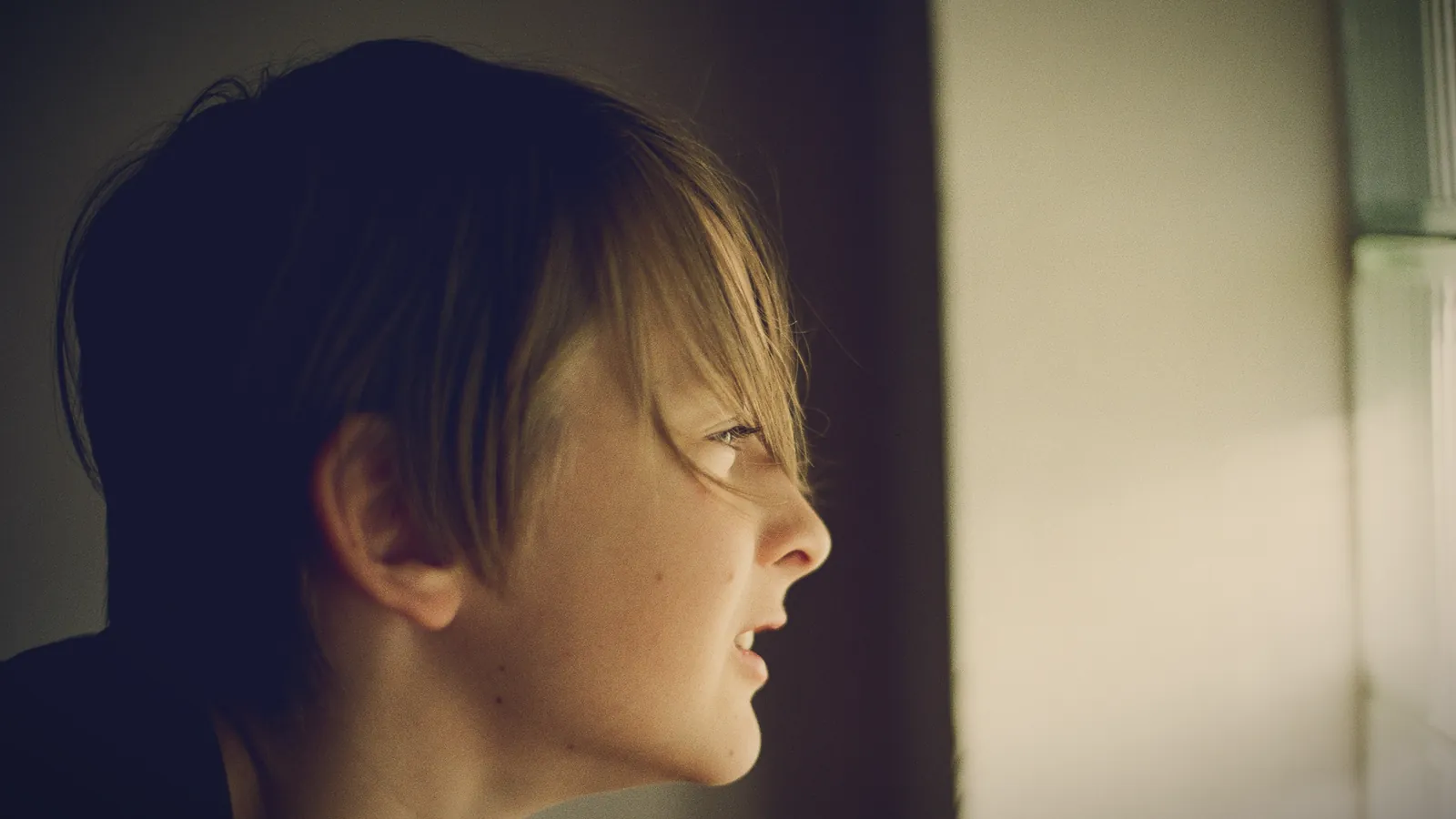
Your 11-year-old can be funny and thoughtful at breakfast, then slam a door at dinner because you asked about homework. "You don't understand" has become a favorite line, every request comes with an eye-roll, and a falling-out with a friend can take over the whole weekend.
If you've been searching "11 year old behavior problems", you're in a between-years stretch: not a little kid anymore, not quite a teenager. Below: what's typical at eleven, what to say when things flare up, and when it's worth calling your pediatrician.
What is normal behavior for an 11 year old?
Eleven sits at the edge of puberty. The American Academy of Pediatrics says girls usually begin puberty between the ages of 8 and 13, so by eleven many girls have started. Boys often start a little later, and some begin around now. Two kids in the same class can be years apart in how grown-up they look and feel.
Much of what wears you out is typical:
- Moods that turn fast. Laughing, furious, then tearful, all in one evening.
- Pushing back on rules that were fine last year.
- More privacy. The bedroom door is shut more often.
- Friends first. What classmates think can suddenly outweigh what you think.
- Still young underneath. Many still want a bedtime chat, as long as nobody else finds out.
What isn't typical: behavior that is dangerous, a child who seems sad or angry most days, or a change that keeps getting worse over several weeks.
Why 11 year old behavior changes can seem to come from nowhere
- A body on the move. Growth spurts, new smells, worries about looking different from friends.
- Middle school, for many. Many 11-year-olds in the US are in sixth grade, which in many districts means a new school, several teachers and more homework.
- Feelings that outrun the brakes. Self-control is still developing: an 11-year-old can know the rule and still snap.
- Phones and group chats, often for the first time.
- Later nights. Many 11-year-olds want to stay up later, and a tired preteen has a short fuse.
11 year old mood swings and "you don't understand"
Big feelings often arrive faster than an 11-year-old can name them. You don't need to talk them out of it; just stay steady.
- Say: "Something's clearly bugging you. I'm not going anywhere."
- Say: (to "You don't understand!") "Then help me understand. I'm listening, not lecturing."
- Say: "You can be upset. You can't be cruel. Take a minute and try again."
If your 11-year-old son cries over everything, it can come from tiredness, worry or a body that's starting to change. Boys need room to cry as much as girls do. Comfort first; ask what happened later.
11 year old defiant behavior: testing every rule
At eleven, "no" becomes a debate. Kids this age spot rules that are unfair or inconsistent, and they say so, loudly. Some pushback is a healthy bid for independence. Keep the few rules that matter, and stay calm while you hold them.
- Say: "You think it's unfair. The answer is still no tonight. Make your case on Saturday and I'll really consider it."
- Say: "You don't have to like it. You do have to do it."
- Say: (later, calmly) "Which rule feels the most unfair? Let's look at that one together."
Give them a real say in rules that can flex, like weekend bedtime, and hold firm on safety. For a step-by-step plan, see our guide to the defiant child; for consequences that teach rather than punish, read how to discipline a child.
If you've typed "my 11 year old son is out of control", jot down when blow-ups happen for a week: time, place, what came just before. Patterns like hunger, tiredness or screens ending often show up.
Sixth grade and starting middle school
The first months of middle school can be exhausting: lockers, a new schedule, a new social order. Many kids hold it together all day, then let it out at home. A short fuse at 4 p.m. is often about the day, not about you.
- Say: "Long day? Snack first, questions later."
- Say: "What's hardest right now: the work, the schedule, or the people?"
- Say: "Let's pick a homework spot and a time. Then I'll stop asking."
Friendship drama and being left out
At eleven, friendships reshuffle fast. Groups form, inside jokes shut someone out, and one cold shoulder can sink a week. Parents often search "my 11 year old daughter struggles to make friends", but boys feel it just as much, and may show it with anger rather than tears.
- Say: "That sounds really lonely. Do you want help thinking it through, or just someone to listen?"
- Say: "Who's one person you feel at ease with, even a little?"
If your child is the one leaving others out, ask before you judge: "What happened before you told her she couldn't sit with you?" Then agree on one way to make it right. Our include everyone guide has ideas you can practice at home first.
The first phone and social media pressure
Many 11-year-olds ask for a phone, then for Instagram, Snapchat or TikTok, because "everyone has it". The AAP suggests waiting until at least age 13 before starting social media accounts, and notes that 13 is the minimum age for an account in most of the US.
A phone for calls and texts is a separate decision from social media. If it's yes to one and "not yet" to the other, say why:
- Say: "The phone is for staying in touch. Social media can wait until you're older. It's not a punishment."
- Say: "If something online ever upsets you or feels weird, tell me. Telling me will never get you in trouble."
More privacy, later nights
A shut door at eleven is usually about growing up, not about hiding something. Ask before you walk in, and save your checks for real safety worries.
Evening screens make late nights even later. The AAP recommends keeping all screens out of children's bedrooms, especially at night, and turning them off at least an hour before bed.
- Say: "Your room is your space. Phones still sleep in the kitchen, mine included."
11 year old boy behavior problems vs 11 year old girl behavior problems
There's no reliable rule for how boys or girls behave at eleven. Stereotypes can hide what's going on: an angry boy may be sad underneath, and a quiet girl may be struggling as much as a loud one.
- Timing. Because girls often start puberty earlier, an 11-year-old girl may already be dealing with body changes or periods while many boys in her class haven't started.
- How feelings come out. Some kids go quiet, others get loud. Compare your child with their own usual self.
- Early starters. If your 11-year-old already looks and acts like a young teen, some teen-style approaches may fit better. Our guide on how to discipline a teenager explains the shift from control to influence.
11 year old behavior through the year
Just turned 11
Some ten-year-old struggles may still be around, like meltdowns over homework or screens ending; our guide to 10 year old behavior problems covers those. It's a good time to start talking about puberty, before it starts for your child or their friends.
In sixth grade
Expect tiredness, homework stress and friendship reshuffles in the first months. Keep weekends calm and predictable: a tired sixth grader usually needs downtime more than another activity.
Nearly 12
Requests grow: more time alone, a later bedtime, going out with friends. Teen-style challenges are coming soon, so offer small freedoms in exchange for showing responsibility, and review them together. What often comes next is in 12 year old behavior problems.
Over the next few weeks
- Little and often. Ten minutes in the car or while cooking often brings out more than a sit-down talk.
- Fewer, clearer rules. Write down the three or four that matter most, together.
- Catch them being responsible. "You got up with your alarm all week. Thank you."
What to avoid
- Teasing about crushes, body changes or "hormones".
- Arguing a rule in the heat of the moment.
- Comparing them with a sibling or a friend's child.
- Snooping instead of asking.
- Taking away what keeps them steady, like a sport or a good friend, as punishment.
When to talk to your pediatrician
Talk to your pediatrician or family doctor if:
- someone gets hurt, or your child hurts themselves or often breaks things in anger;
- blow-ups happen most days, or grow longer and more intense over several weeks;
- your child seems sad, worried or irritable most of the time, or loses interest in things they used to enjoy;
- they avoid school, drop friends, or their grades, sleep or eating change sharply;
- you have questions about puberty starting very early or very late.
None of these is a diagnosis: a doctor can check whether something else is going on and point you to the right support. If your child talks about suicide or hurting themselves, or anyone is in danger, call or text 988 (US Suicide & Crisis Lifeline) or your local emergency number right away.
The dinner table: a daily place to practice
Dinner is often the one moment an 11-year-old still sits down with the family every day. Keep it low-pressure: no replaying the morning's argument.
Kalmdix can host that by voice: you put a phone on the table, tap Start, and it asks open questions and gives each person a turn by name, so quieter kids get space too. In Educate, you choose one habit, such as accepting no calmly, and Kalmdix turns it into a playful mission over five meals, without lectures and without saying who did or didn't do it. You can also set a private goal for yourself, like listening without fixing, which it never mentions at the table. After the meal, kids earn points for their good moments; parents never do. It isn't therapy and doesn't replace you: it gives your family a daily, low-stakes moment to practice.
Frequently asked questions
What is normal behavior for an 11 year old?
Mood swings, pushing back on rules, eye-rolls, wanting more privacy and caring a lot about friends are all common at eleven. Many girls have started puberty and some boys are starting, and many kids are adjusting to sixth grade or middle school. Behavior that is dangerous, or a change that keeps getting worse over several weeks, is worth raising with your pediatrician.
Why is my 11 year old so moody?
At eleven, feelings often arrive faster than the skills to manage them. Body changes, a new school, friendship shifts and later nights can all add to it. Stay steady, keep your words short, and talk once everyone is calm; if low mood or irritability lasts for weeks, check in with your pediatrician.
How do I handle 11 year old defiant behavior?
Keep a few clear rules, hold them calmly, and don't argue in the heat of the moment. Give your child a real say in rules that can flex, and invite them to make their case later, when everyone is calm. Consequences that are short, related and announced in advance usually work better than big punishments.
What causes sudden 11 year old behavior changes?
Common causes include the move to middle school, a friendship falling apart, something upsetting online, worries about body changes, or too little sleep. Ask gently, more than once, and tell your child they won't be in trouble for telling you. If the change lasts for weeks or affects school, sleep or eating, talk to your pediatrician.
Bring Kalmdix to your next family dinner
Put your phone on the table and tap Start: Kalmdix hosts the conversation, gives everyone a turn and keeps it fun. Plans from €9.99 a month, cancel anytime.
About the author
The Kalmdix team — Kalmdix. The people behind Kalmdix, the AI voice companion that sparks conversations and teaches good manners through play at the family dinner table.