12-year-old behavior problems: moods, attitude, and what helps
12 year old behavior problems: mood swings, eye-rolls, privacy and phone fights, friend drama. What's normal at twelve, what to say, and when to get help.
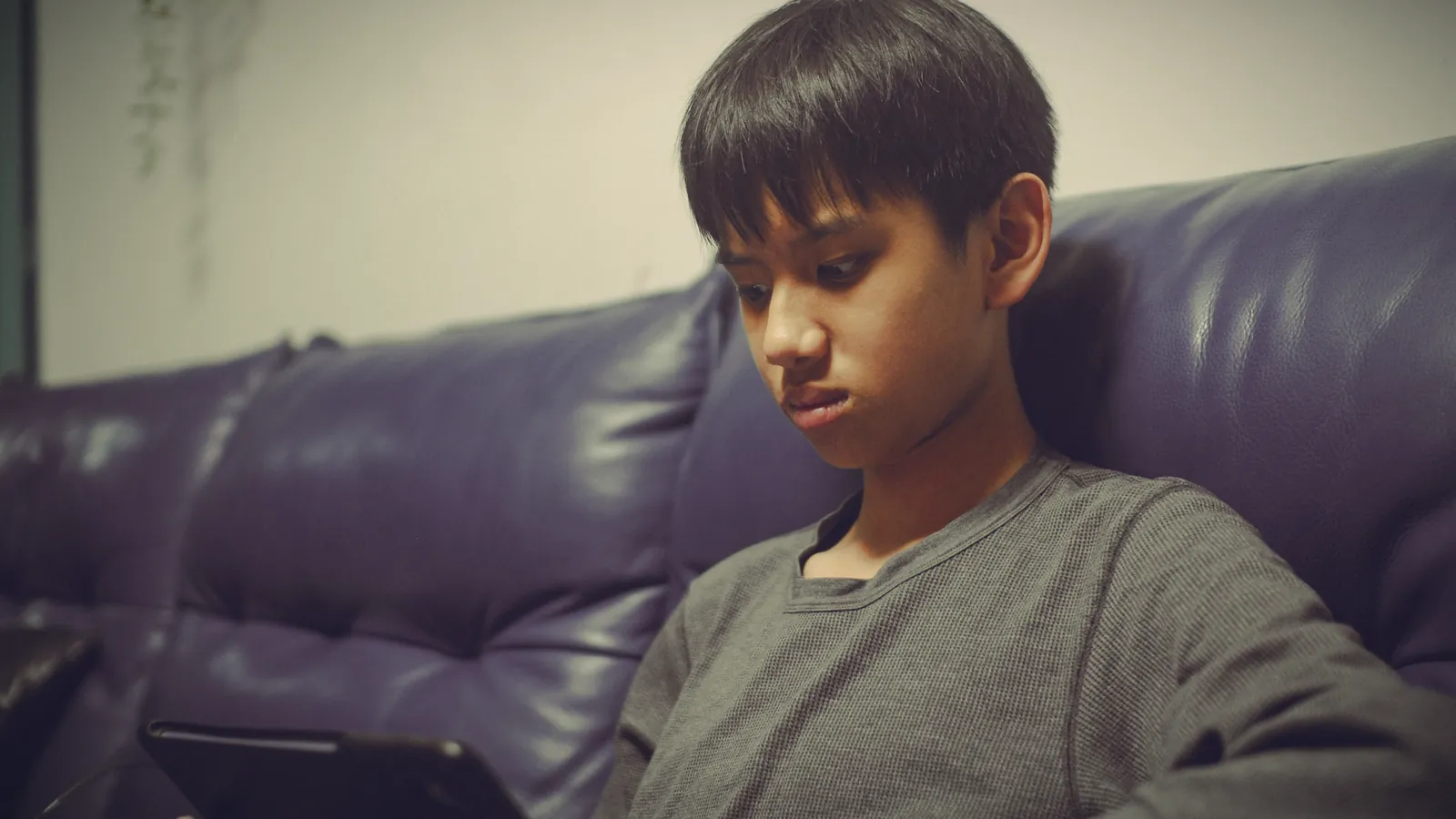
Last year your child still wanted a hug at the school gate. Now they're 12: the bedroom door stays shut, "you don't understand" comes with a full eye-roll, and one message in the group chat can sink the whole evening. Then, at 10 p.m., they wander into the kitchen and want to talk.
If you've been searching "12 year old behavior problems", you're not imagining the change. Twelve is the preteen turn: a new school for many, a body that's starting to change (or not yet), and friends who suddenly matter more than anything. Here's what's normal at twelve, the exact words for the hard moments, and the signs worth raising with your pediatrician.
What is normal 12 year old behavior?
The American Academy of Pediatrics places twelve in early adolescence, ages 10 to 13. Its stages of adolescence page says pre-teens feel an increased need for privacy, are often self-conscious about their appearance, and feel as though they're always being judged by their peers. Their thinking is still quite black-and-white, and they may push boundaries and react strongly when you hold a limit.
At home, that often looks like:
- A closed door. Knocking is now required.
- All-or-nothing days. "Best day ever" at four, "my life is over" by six.
- Embarrassment about you. Your jokes, your singing, being dropped off too close to school.
- Testing every rule. Bedtime, screen time, what "clean your room" really means.
- Pulling away, then coming back for a hug when nobody's watching.
What isn't typical: behavior that's dangerous, a change that keeps getting worse over weeks, or a child who seems to have lost interest in everything.
Why 12 year old behavior problems can seem to start overnight
- Middle school. In the US, most 12-year-olds are in sixth or seventh grade, and many are new to middle school. The Child Mind Institute notes that kids go from one teacher to several teachers for different subjects, with more homework, tests and projects, and that friendship groups often shift.
- Puberty, on its own clock. The NHS says it's normal for puberty to start any time between 8 and 14. So one 12-year-old is well into it while their best friend hasn't started. The AAP adds that changes usually begin a year or two earlier in girls than boys, and can bring anxiety as well as curiosity.
- Feelings faster than brakes. The parts of the brain that handle impulse control are still developing; our guide on how to discipline a teenager explains why. A 12-year-old can know the rule and still snap.
- Friends and phones. Group chats keep the school day going until bedtime.
- Tiredness. Late nights and early buses shorten anyone's fuse.
Mood swings, eye-rolls and "you don't understand"
Big feelings arrive fast at twelve, and black-and-white thinking makes a small setback feel total. What helps in the moment:
- Say: "Rough day? You don't have to tell me about it. I'm around."
- Say: (to "You don't understand!") "Probably not all of it. I'm still on your side."
- Say: "Let's rewind ten seconds. Same question, kinder voice."
- Say: "I can live with the eye-roll. Not with 'shut up'."
Let the small stuff go: a sigh, a shrug, a stomp up the stairs, as long as they still did what you asked. Save your energy for real rudeness, and correct it in private, briefly. If talking back turns into shouting matches, see how to deal with an angry teenager.
Privacy, the closed door and the first phone
Wanting privacy is part of growing up, not proof of a secret. Knock, wait for an answer, and keep a few clear rules about safety rather than checking everything.
The phone is often where privacy and safety collide. Many 12-year-olds are asking for one, or have just got one. Agree on the rules before handing it over: where it charges at night, which apps, what you'll check and why. A trial period with a review date takes some of the drama out.
- Say: "I'm not going to read your messages for fun. If I'm ever worried about safety, I'll tell you first."
- Say: "The phone sleeps downstairs on school nights. We'll look at it again in a month."
If screens are already taking over, read teenager phone addiction.
Friendship drama and group chats
At twelve, a group chat can feel like the whole world. Being left out of a plan, a screenshot passed around, a joke that went too far: it all lands at home, often at dinner or bedtime. Listen first; advice can wait.
- Say: "That's a lot. Tell me the whole thing, from the start."
- Say: "You don't have to answer that message tonight. Sleep on it."
- Say: "If anyone's being cruel to you online, you won't lose your phone for telling me."
That last line matters: some kids keep trouble online to themselves because they fear losing the phone. If your child is the one being unkind, stay curious rather than shocked. Say: "What was going on in the chat when you wrote that?" Then plan how to make it right.
Pulling away from you, while still needing you
Twelve-year-olds start turning to friends for advice. It can sting, but it isn't rejection: they still need you, often on their schedule rather than yours.
- Side by side beats face to face. Car rides, walking the dog, cooking together.
- Ask better questions. "How was school?" gets "fine". "What was the most annoying thing today?" gets a story. The press conference game has questions preteens actually enjoy answering.
- Be around at odd hours. Bedtime and the late snack are when many 12-year-olds finally talk.
12 year old boy behavior vs 12 year old girl behavior
There's no reliable rule for how boys or girls act at twelve, and stereotypes can hide what's really going on. What parents usually mean:
- "My 12 year old boy barely talks to me." Many kids, boys and girls, talk more while doing something together. A quiet son may still want your company, just without eye contact.
- "My 12 year old daughter is mean to me." Sharp words often land on the safest person. Hold the line on respect, and look at what's underneath: friends, body changes, school stress.
- "Is it puberty?" Sometimes, partly. Because timing varies so much, two 12-year-olds in the same class can be in very different places.
Sudden 12 year old behavior changes: what may be behind them
Your chatty child now hides in their room, grades slip, or they feel sick every Monday. Common causes:
- School: the jump in workload, a subject that has become too hard, a clash with a teacher.
- Friends: a falling-out, a new group, being left out.
- Online: something unkind in a chat, or something they saw and can't unsee.
- Body changes: worry about how they look, or about being early or late.
- Sleep: a phone in the bedroom at night.
Ask gently, more than once, away from siblings:
- Say: "You've seemed down this week. Is it school, friends, or something else?"
- Say: "Whatever it is, we'll figure it out together. You're not in trouble."
12 year old behavior through the year
Just turned 12
Some younger habits may still be around, like meltdowns when a game has to end; our guides to 11 year old behavior problems and 8 year old behavior problems cover those earlier years. Keep rules few, explain the reason once, and start talking about puberty before it arrives.
Starting middle school
The first weeks are about logistics: lockers, timetables, several teachers. Help set up a homework routine, and pick a set time each week to touch base, as the Child Mind Institute suggests. Expect more tiredness and some friendship reshuffles in the first term.
Nearly 13
Privacy, the phone and going out become bigger asks. Offer small freedoms in exchange for showing responsibility, and review them together. What often comes next is in 13 year old behavior problems.
Over the next few weeks
- A standing slot for just the two of you. Saturday breakfast, a walk, a show you both like. Same time each week.
- Talk about puberty in small doses, and let them ask questions at their own pace, as the AAP suggests.
- Write down the few rules that matter, together, and review them every month.
- Notice the good, out loud. "You told me about the group chat instead of hiding it. That took guts."
What to avoid
- Teasing about body changes, voices or crushes, even kindly.
- Reading their messages in secret as a habit.
- Correcting them in front of friends.
- Taking the phone for weeks over one mistake.
- "You're just being hormonal."
When to talk to your pediatrician
Talk to your child's pediatrician or family doctor if you see:
- violence, threats, or someone getting hurt;
- running away, or staying out without telling you where;
- talk of self-harm or of not wanting to live;
- alcohol, vaping or drug use;
- pulling away from all friends and family, a big drop at school, or big changes in sleep or eating;
- sadness, worry or irritability that lasts for weeks;
- concerns about puberty starting very early or very late.
None of these is a diagnosis: a doctor can check whether something else is going on and point you to the right support. If your child talks about suicide or hurting themselves, or anyone is in danger, call or text 988 (US Suicide & Crisis Lifeline) or your local emergency number right away.
A low-stakes place to practice: the dinner table
Dinner is often the one moment a 12-year-old still sits with you every day. More ideas in how to talk to your teenager at dinner.
Kalmdix can host that by voice: you put a phone on the table, tap Start, and it asks open questions and gives each person a turn by name, so quieter kids get space too. In Educate, you choose one habit, such as opening up about hard things, and Kalmdix turns it into a playful mission over five meals, without lectures and without saying who did or didn't do it. It isn't therapy and doesn't replace you: it gives your family a daily, low-stakes moment to practice.
Frequently asked questions
What is normal behavior for a 12 year old?
Wanting more privacy, mood swings, eye-rolls, all-or-nothing reactions, embarrassment about parents, testing rules and caring a lot about what friends think are all common at twelve. Many are also adjusting to middle school and early puberty. Behavior that is dangerous, or a change that keeps getting worse over several weeks, is worth raising with your pediatrician.
Why is my 12 year old so moody?
At twelve, feelings can arrive faster than the skills to manage them, and black-and-white thinking makes small setbacks feel huge. Puberty, a new school, friendship shifts and tiredness often add to it. If the low mood or irritability lasts for weeks, or comes with withdrawal or a drop at school, talk to your pediatrician.
How do I deal with my 12 year old's attitude?
Let small things like sighs and shrugs go when they're still doing what you asked. When the tone turns rude, ask for a redo in a calm, short sentence, and correct them in private. Keep connecting outside the conflict, with side-by-side time and questions that invite a story.
What causes sudden behavior changes in a 12 year old?
Common causes include the jump in workload at middle school, a friendship falling apart, something unkind online, worries about body changes, or poor sleep. Ask gently and more than once, and tell them they won't be in trouble for telling you. If the change lasts for weeks or affects school, sleep or eating, check in with your pediatrician.
Bring Kalmdix to your next family dinner
Put your phone on the table and tap Start: Kalmdix hosts the conversation, gives everyone a turn and keeps it fun. Plans from €9.99 a month, cancel anytime.
About the author
The Kalmdix team — Kalmdix. The people behind Kalmdix, the AI voice companion that sparks conversations and teaches good manners through play at the family dinner table.